



Embossing and foiling
are two popular finishing techniques used to give printed materials such as business cards, invitations and packaging an exclusive and tactile feel.
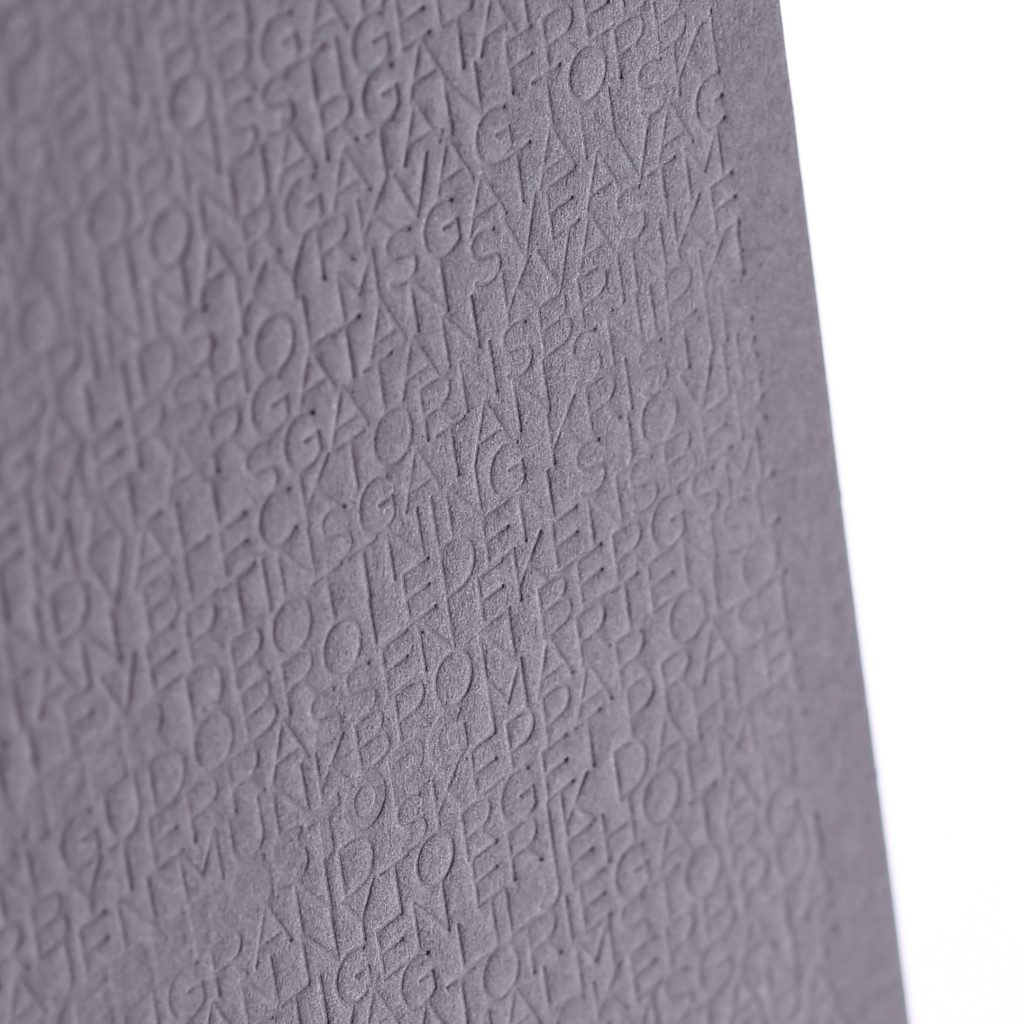
Embossing
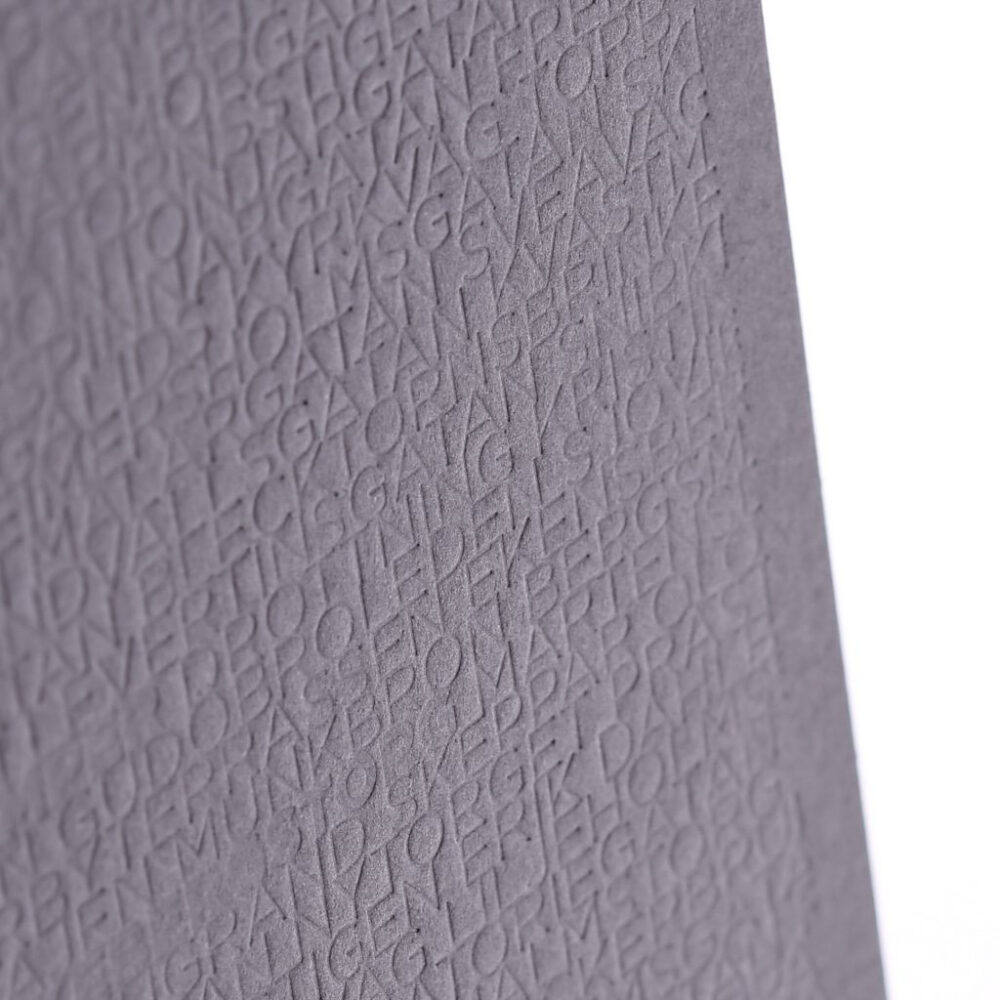
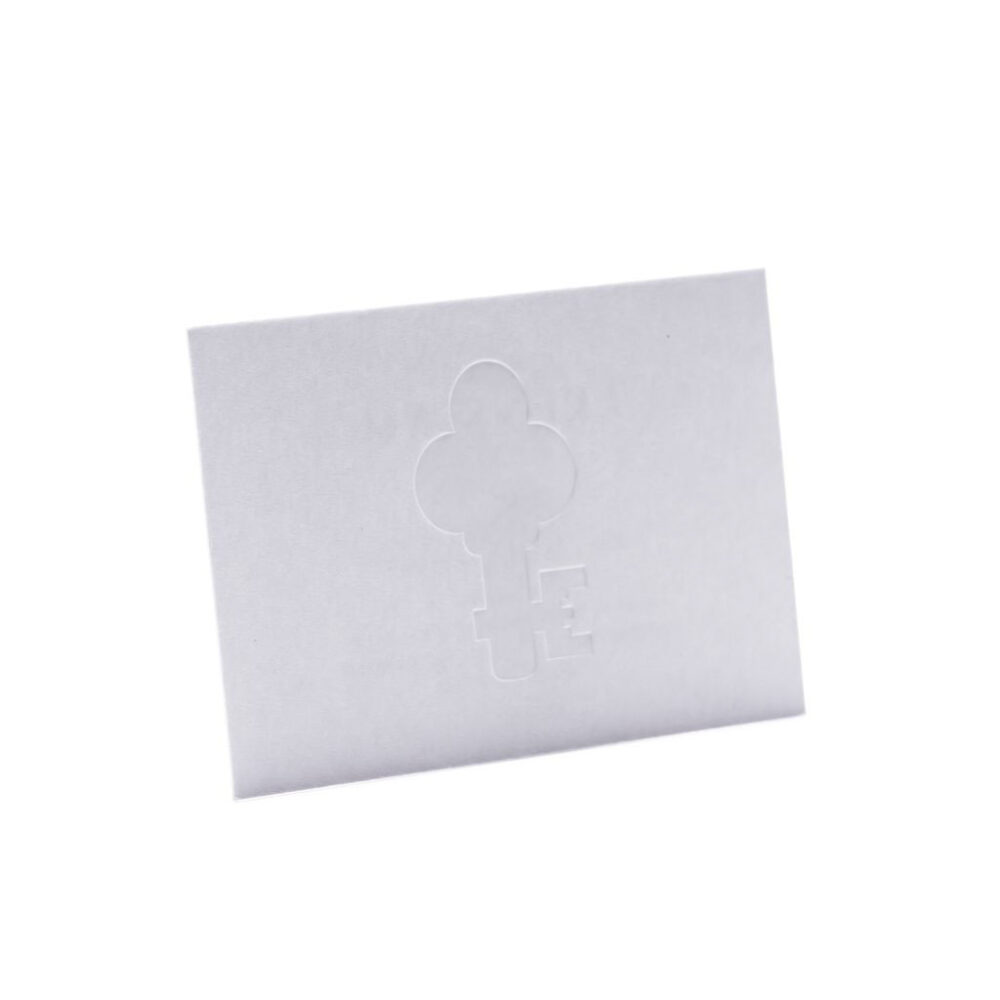
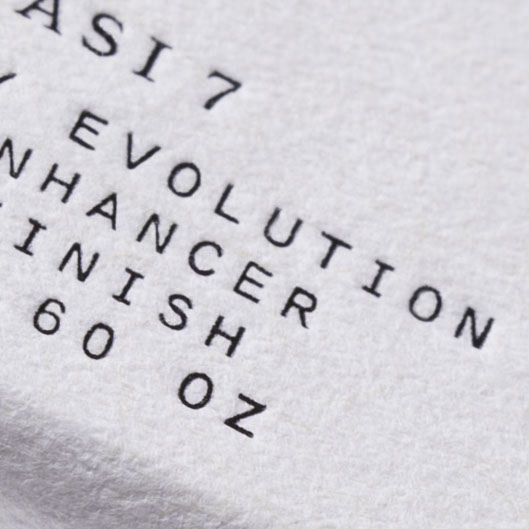
Embossing involves creating a three-dimensional difference in the level of the material by pressing it between two clichés (moulds) under high pressure. The technique is performed without colour or foil, creating a subtle and elegant effect where only the relief is visible.
Embossing (raised):

The motif is pressed upwards so that it protrudes from the surface.
Debossing (recessed):

The motif is pressed down into the material to create a recess.
Foil wrapping
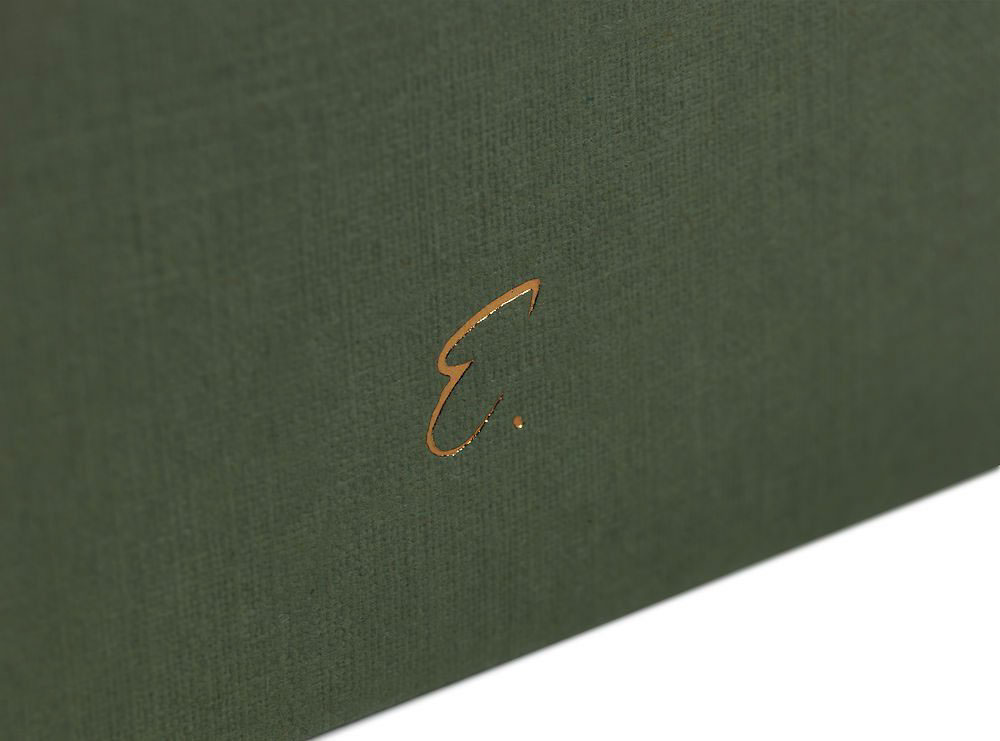
Foil stamping (also known as foil printing or foil embossing) is used to apply a thin layer of metallic or coloured foil to a surface to create shine and reflection.
- Hot foil stamping:
The most common method where heat and pressure are used to melt the film onto the material. This method produces a pre-coloured film that comes in many different colours and with different properties. There are also hologram films and other effect films. Please contact us to get a deeper insight. - Cold foiling:
The foil is attached using adhesives and UV light, which is often used in modern digital printing processes in 2025 for faster handling. This method also allows you to choose to print in colour over the foil to get a printed metallic effect in the ink you put on top of the foil. - Foil stamping:
A combination where the motif gets both a metallic surface and a raised/sunken relief at the same time.


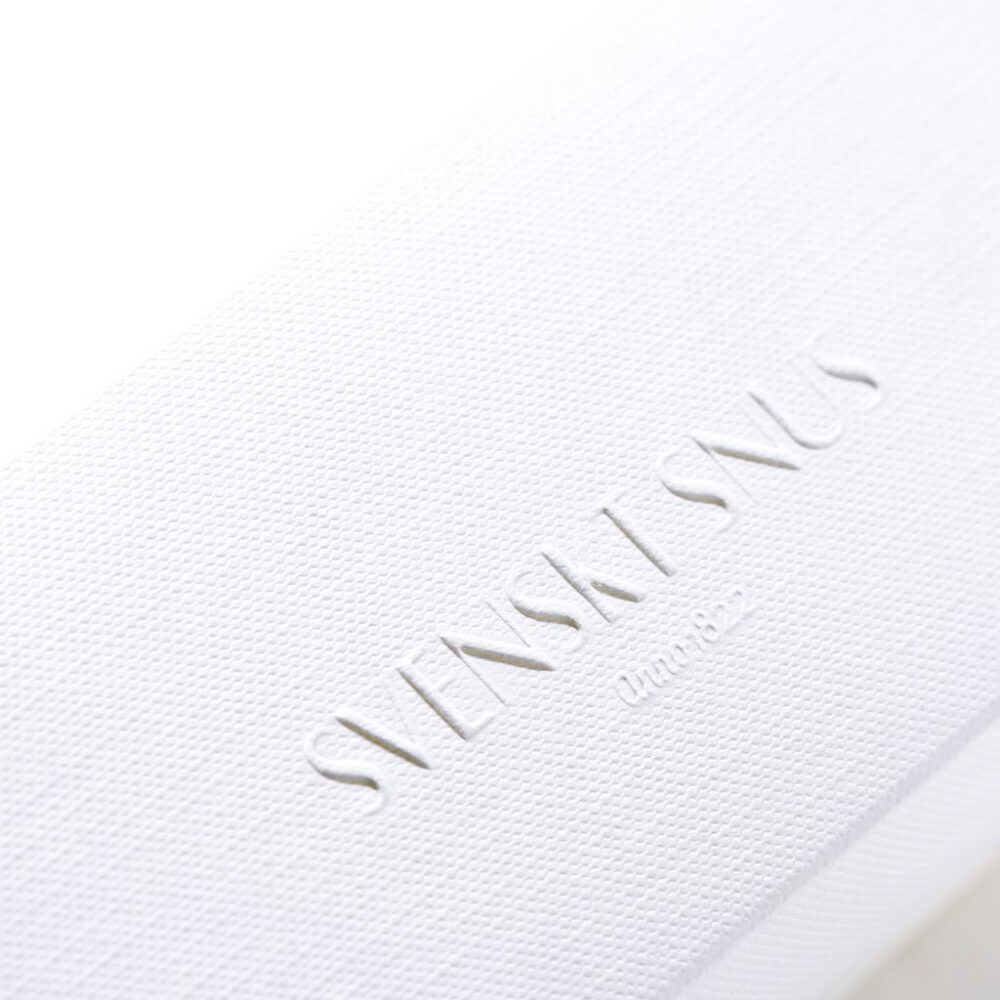
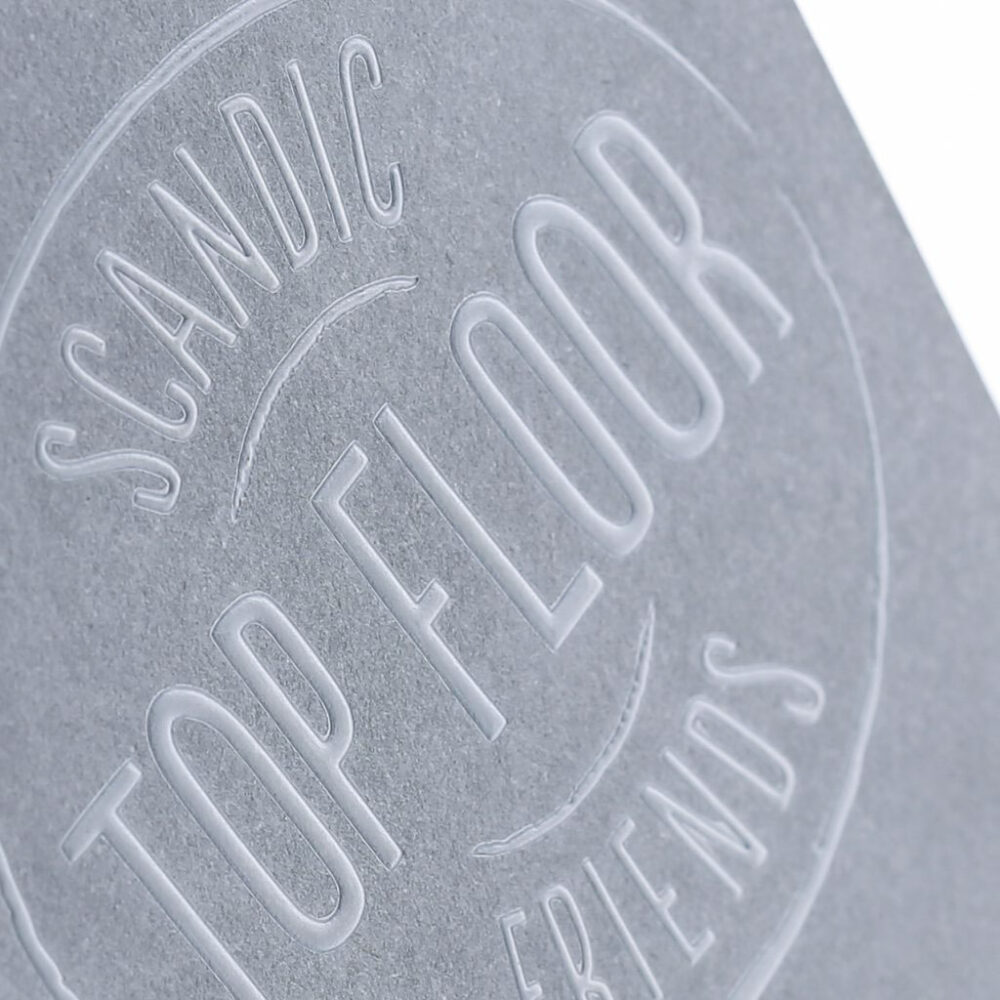
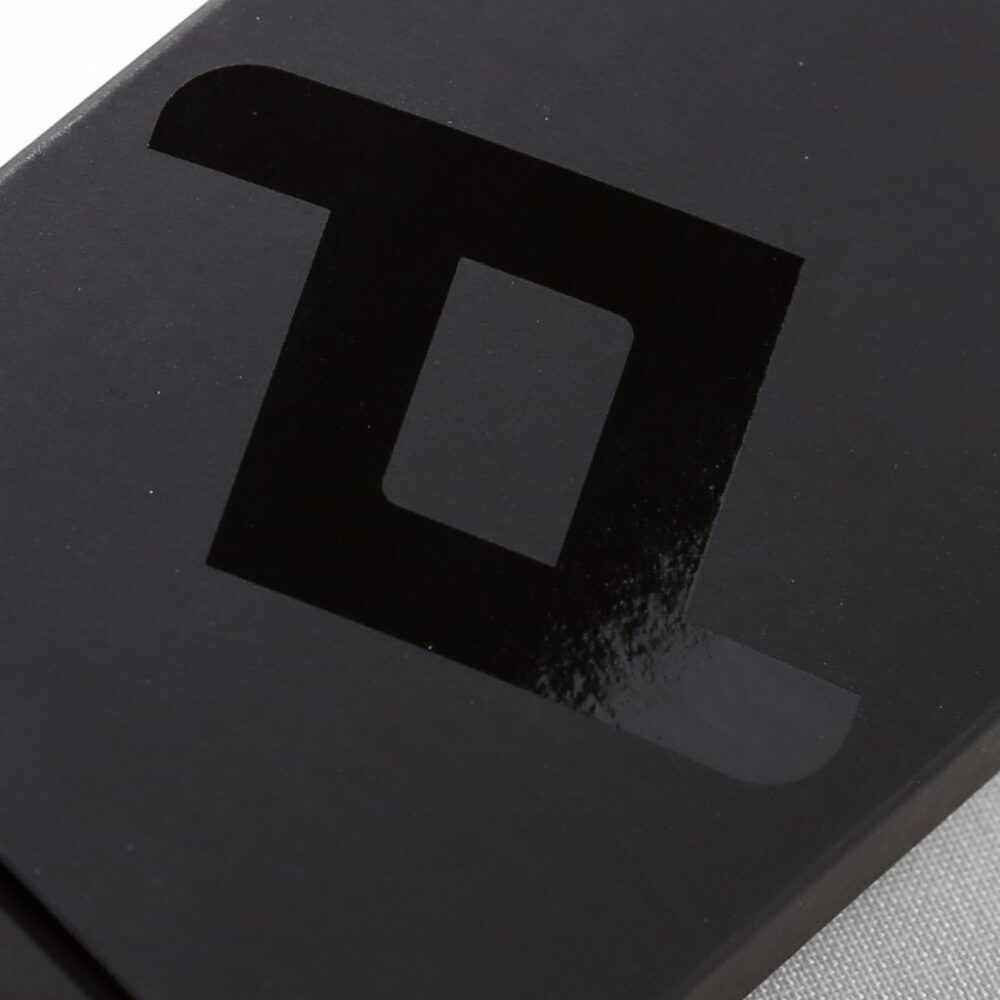
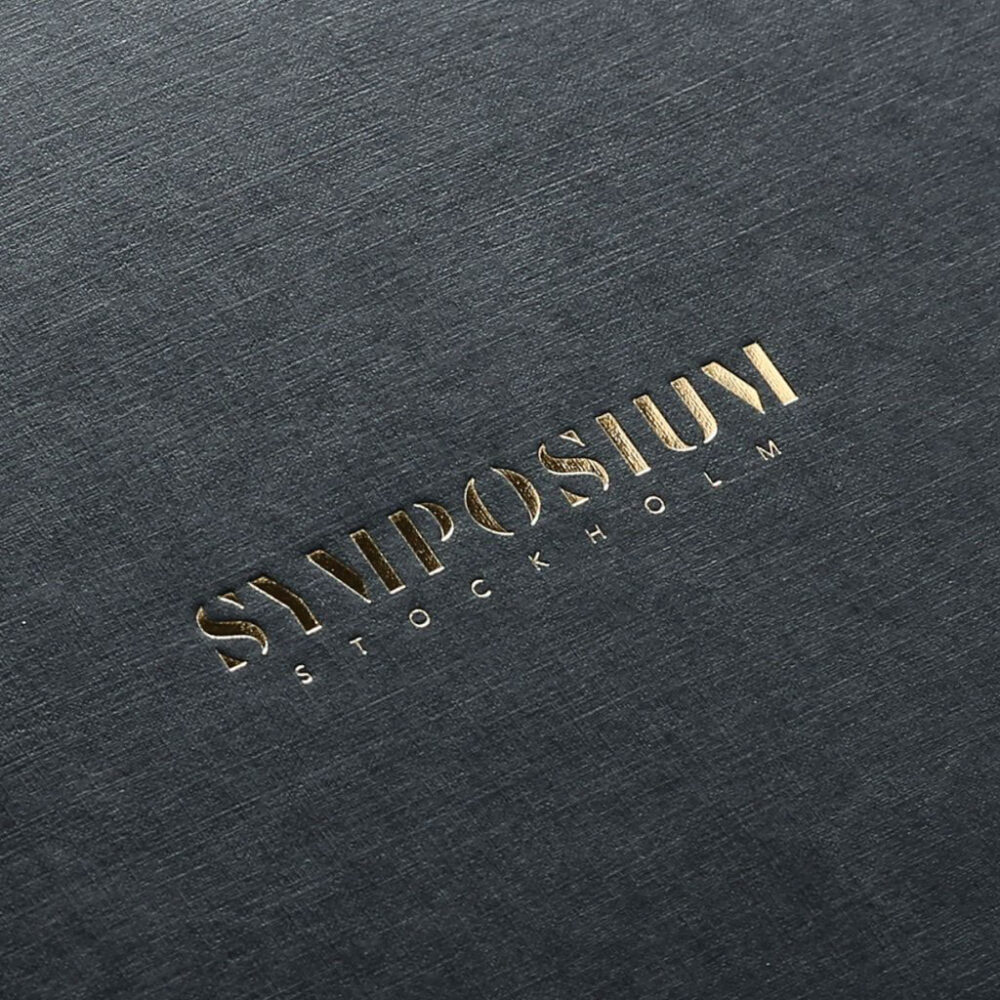
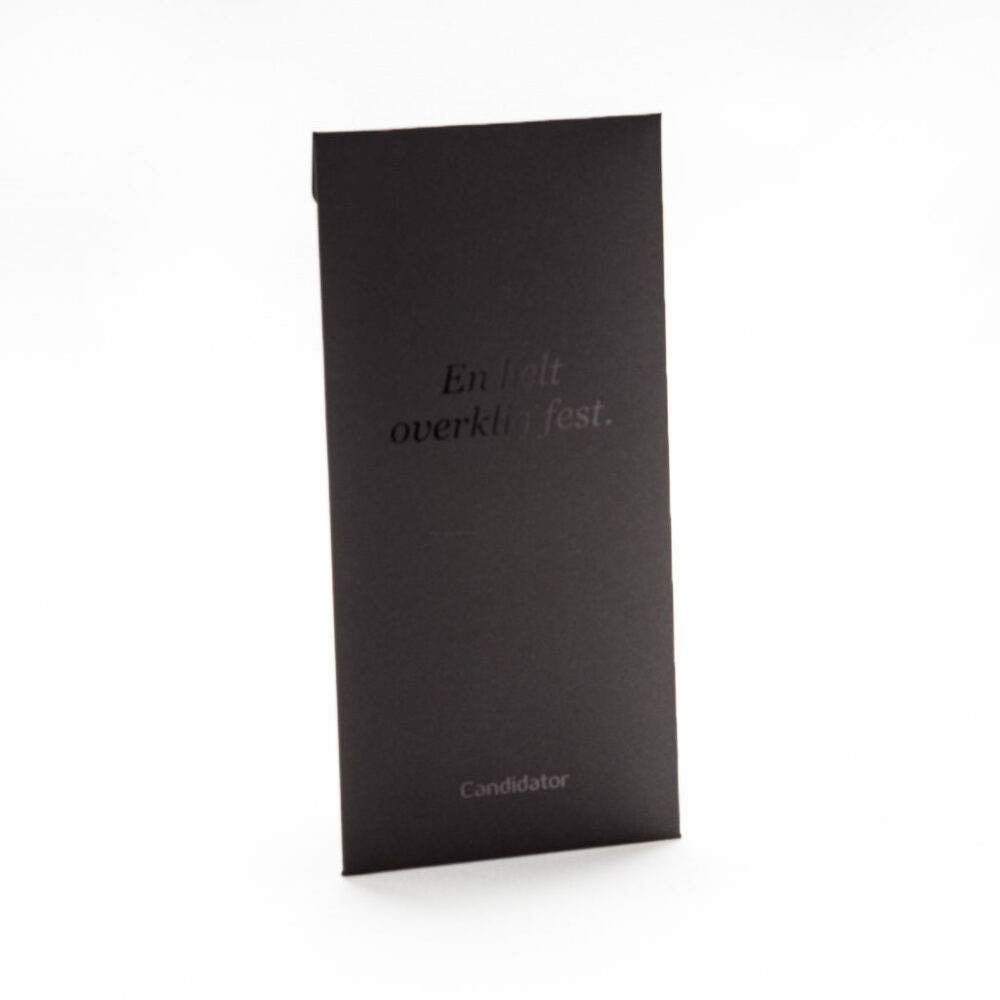
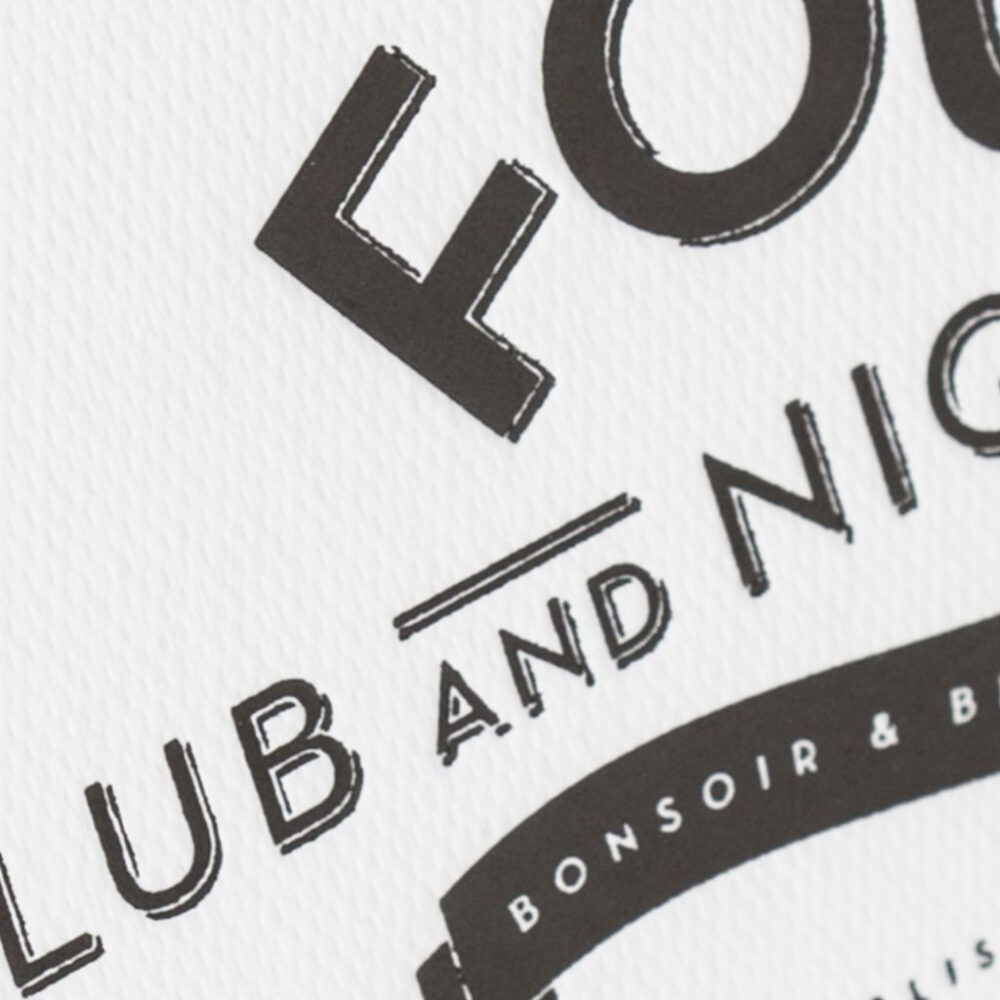
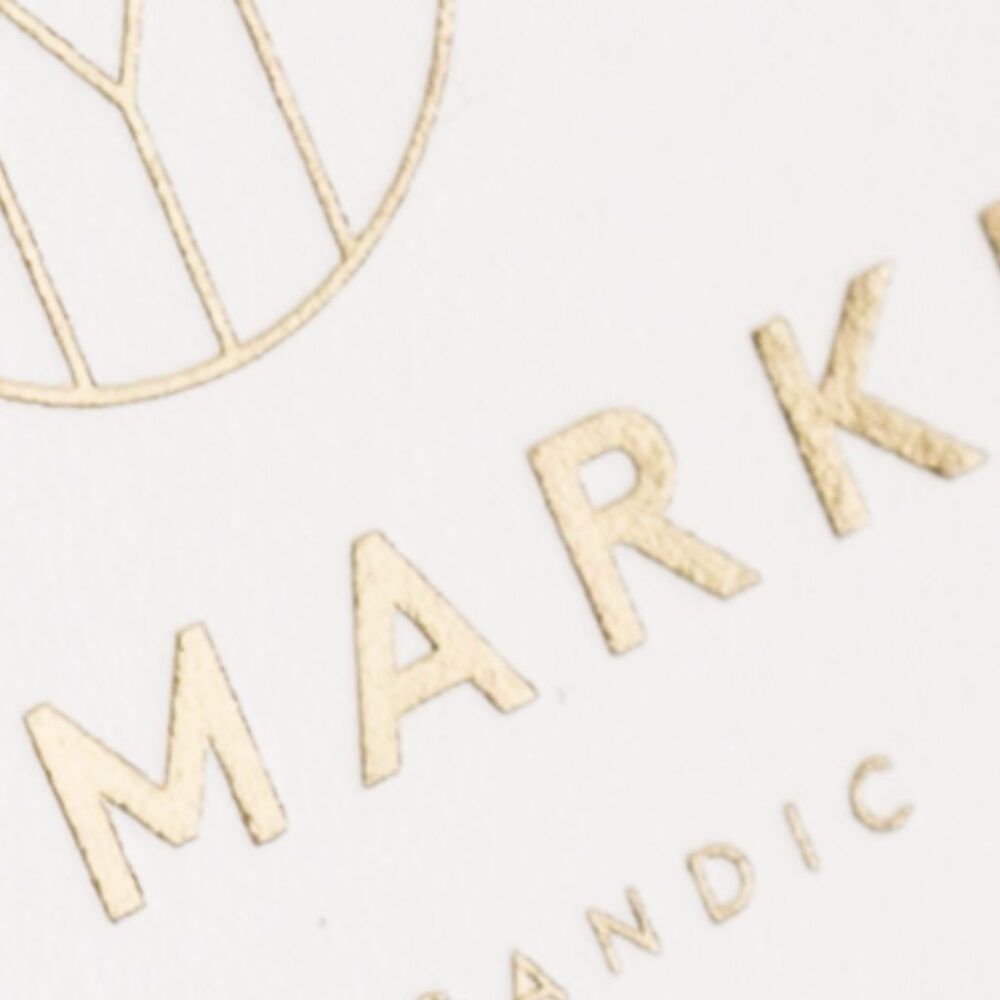
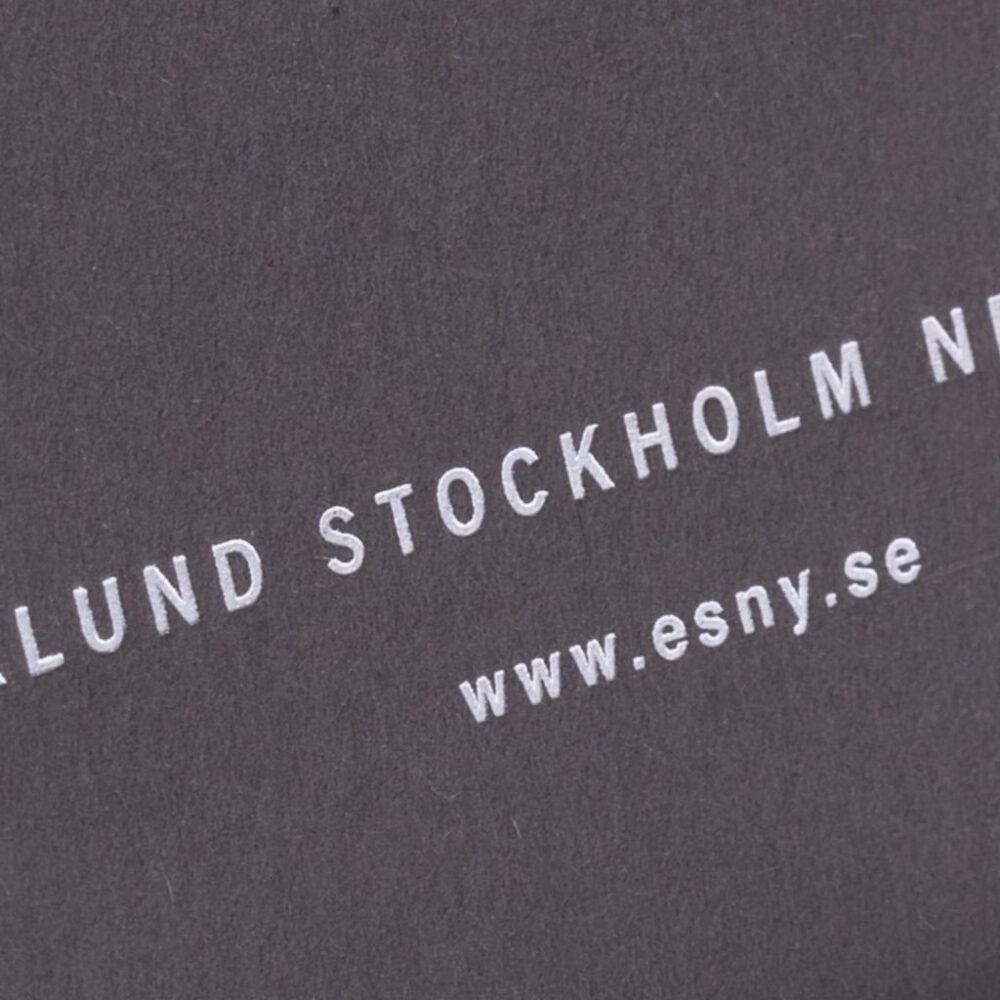
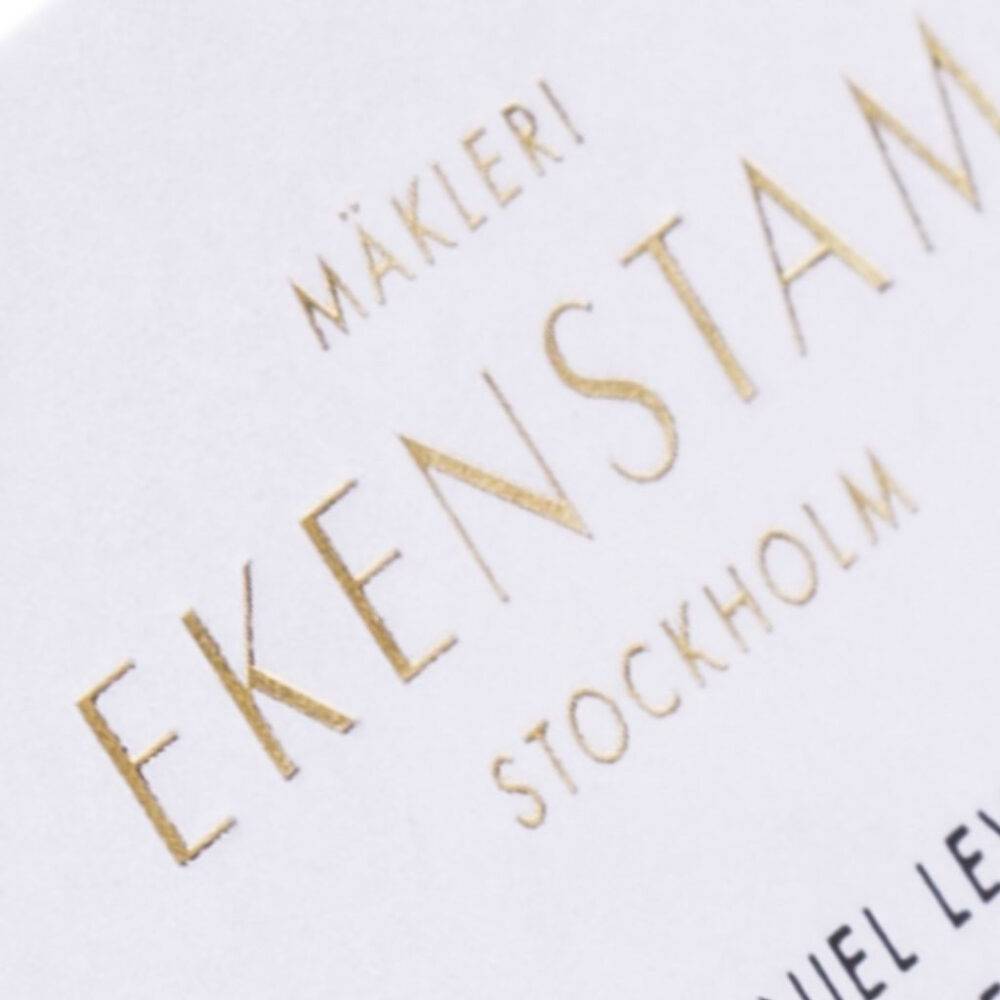
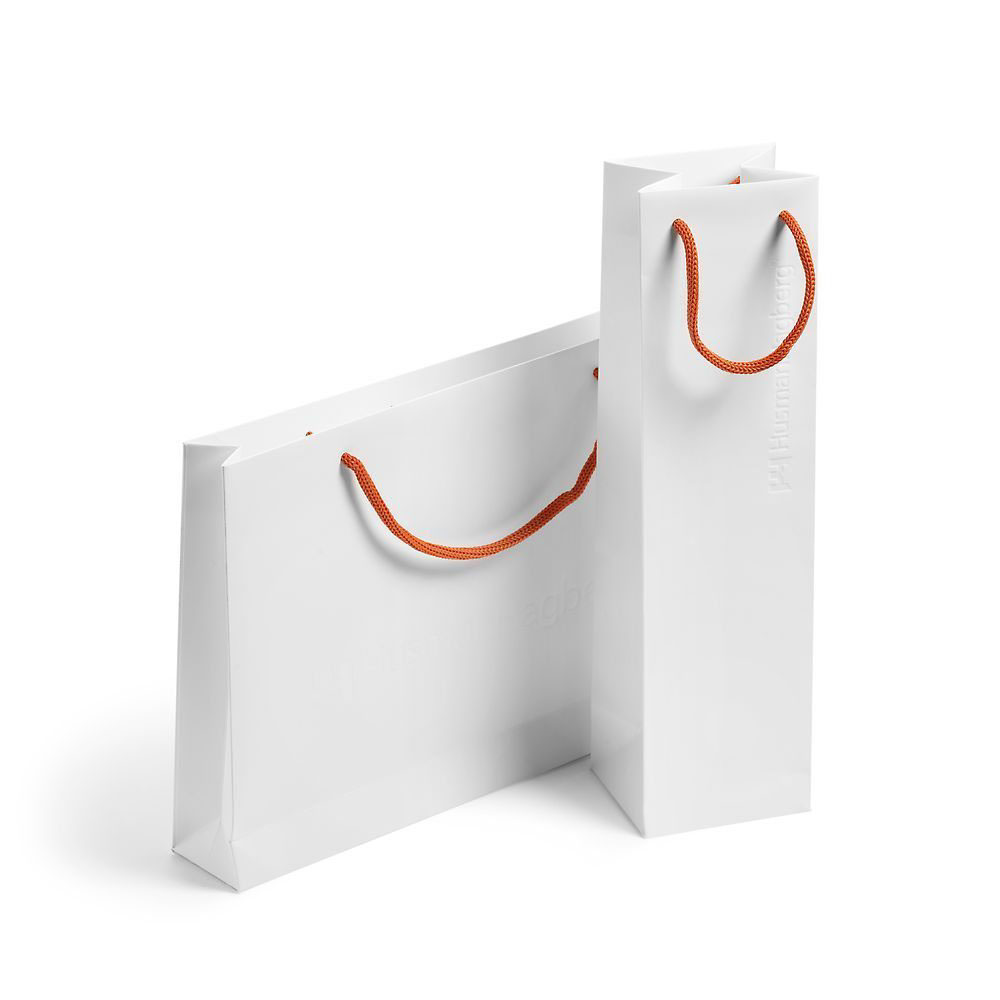
Below you can see some examples of
foiling and embossing we have done in previous productions.


















 Swedish
  English
  Czech
Czech